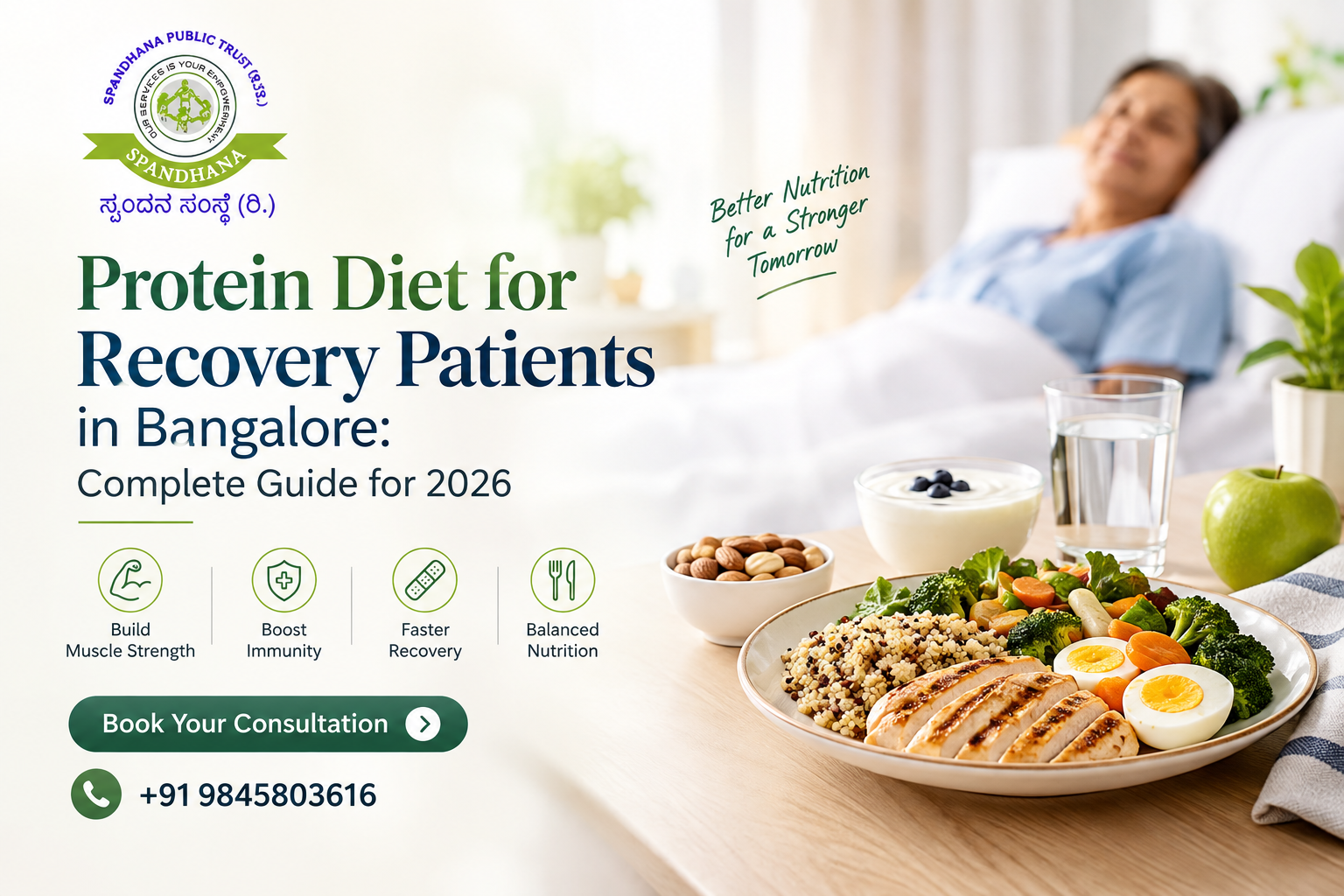
When a loved one returns home from the hospital, families often encounter a sudden and overwhelming challenge: managing their daily recovery. Whether it is post-surgical healing, recovering from a severe infection, or rebuilding strength after prolonged bed rest, meal times frequently turn into a source of anxiety. A very common misconception is that recovery simply requires eating larger portions of standard meals. However, healing demands targeted nutrition. Navigating a protein diet for recovery patients in Bangalore requires balancing scientific nutritional needs with local, familiar foods that an ailing patient can comfortably digest.
This guide is essential for adult children caring for elderly parents, working professionals juggling demanding careers while managing family health, and caregivers supporting bedridden or weak patients at home in HSR Layout and across Bangalore. In this comprehensive manual, we will cover why protein is essential for healing, calculate general protein requirements, highlight easily digestible vegetarian and non-vegetarian Indian foods, offer a sample daily meal structure, and address common feeding challenges.
Need help caring for a recovering family member at home in HSR Layout? Call Spandhana Public Trust at +91 9845803616 now.
1-Minute Summary
-
Serve Protein Consistently: Include a gentle protein source in every meal and snack rather than one heavy meal.
-
Prioritize Digestibility: Choose soft, well-cooked foods like moong dal, curd, paneer, eggs, or minced chicken that match the patient’s chewing ability.
-
Pair with Adequate Calories: Ensure sufficient healthy carbohydrates and fats so the body does not burn protein for energy instead of tissue repair.
-
Maintain Hydration: Provide adequate fluids, such as soups, buttermilk, and warm water, unless fluid restrictions apply.
-
Adapt Textures: Soften, mash, or blend meals based on the patient’s swallowing comfort and appetite.
-
Track Tolerance: Monitor for signs of bloating, nausea, or swallowing difficulties, adjusting meal density accordingly.
-
Follow Medical Advice: Always align meal plans with the treating doctor’s or dietitian’s directives for conditions like kidney disease or diabetes.
Why Protein Matters During Patient Recovery
Protein and Tissue Repair
Protein provides the fundamental building blocks, amino acids, necessary for cellular repair. Following surgery, trauma, or severe illness, the body’s metabolic rate increases, accelerating the breakdown of tissue. Adequate protein intake is vital to repair surgical incisions, heal internal tissues, and support immune function to ward off secondary infections.
Protein and Maintaining Muscle Strength
When patients are bedridden or restricted to reduced physical activity, muscle atrophy (loss of muscle mass) occurs rapidly. Inadequate protein consumption forces the body to break down existing skeletal muscle to meet basic metabolic needs, leading to severe weakness, fatigue, and an increased risk of falls during rehabilitation.
Recovery Requires More Than Protein Alone
While protein is crucial, it cannot work in isolation. The American College of Surgeons notes that protein contributes significantly to rebuilding tissue after surgery, but emphasizes a broader nutritional approach rather than focusing on a single isolated nutrient. Energy from complex carbohydrates and healthy fats is required so that ingested protein is spared for healing rather than converted into basic energy.
How Much Protein Does a Patient Need During Recovery?
Medical Disclaimer: The nutritional guidelines presented below are for informational purposes only. Specific dietary requirements vary significantly based on individual medical conditions. Always consult the patient’s treating physician or a registered dietitian before making structural changes to their diet.
Why Protein Requirements Vary for Every Patient
There is no single protein formula that fits every recovering individual. A tailored approach must account for:
-
Age and Body Mass: Older adults often require higher relative protein density due to reduced anabolic sensitivity.
-
Nature of Illness or Surgery: Major orthopedic or abdominal surgeries demand higher protein levels for tissue synthesis than minor procedures.
-
Mobility Levels: Bedridden individuals need specialized nutrient density to counter muscle degradation.
-
Pre-existing Health Conditions: Patients with renal (kidney) impairment or hepatic (liver) disease often require restricted or carefully modified protein intakes.
Should Families Calculate Protein Requirements Themselves?
Families should avoid applying universal high-protein targets found online without guidance. While guidelines for older adults historically suggest 1.0 to 1.5 grams of protein per kilogram of body weight during recovery, applying high-protein diets to a patient with compromised kidney function can be harmful.
How much protein does a patient need during recovery?
A typical recovering adult generally requires between 1.0 and 1.5 grams of protein per kilogram of body weight daily. However, exact needs must be determined by a physician based on kidney health, surgical extent, and overall mobility.
Best Protein-Rich Foods for Recovery Patients
When selecting protein-rich foods for recovery patients, families in Bangalore can utilize accessible, fresh Indian ingredients that provide comfort and nutrition.
Vegetarian Protein Sources
-
Moong Dal: Exceptionally gentle on the stomach, quick to digest, and rich in essential amino acids when paired with rice.
-
Paneer (Cottage Cheese): A rich source of casein protein and calcium; best served soft, lightly sautéed, or crumbled into warm dishes.
-
Curd & Yogurt: Provides high-quality dairy protein alongside beneficial probiotics that aid digestion after antibiotic courses.
-
Tofu & Soy: Excellent plant-based protein alternatives that absorb flavors well and can be mashed easily.
-
Nuts and Seeds: Almonds or walnuts soaked overnight and ground into pastes add protein and healthy fats to porridge without adding bulk.
Non-Vegetarian Protein Sources
-
Eggs: One of the most bioavailable protein sources; easily served soft-boiled, poached, or scrambled.
-
Chicken: Lean chicken breast cooked in mild, clear soups or finely shredded in light gravies.
-
Fish: Soft white fish cooked with minimal spice delivers high protein along with anti-inflammatory omega-3 fatty acids.
Easy-to-Eat Protein Options for Weak Patients
| Food Item | Primary Protein Source | Easier Recovery-Friendly Preparation | How to Serve During Recovery |
| Moong Dal | Plant Protein | Soft Dal / Soup | Pressure-cooked until completely soft; tempered mildly with cumin. |
| Paneer | Dairy Protein | Soft Crumbled / Steam-cooked | Lightly steamed or stewed in a mild tomato gravy; avoid deep frying. |
| Curd | Dairy Protein | Plain Curd / Lassi | Served fresh at room temperature; blend into a smooth drink if preferred. |
| Eggs | Complete Protein | Soft Scrambled / Poached | Cooked with a small amount of butter/oil until soft and moist. |
| Milk | Dairy Protein | Warm Milk / Turmeric Milk | Fortified with almond paste or skimmed milk powder for extra density. |
| Tofu | Plant Protein | Soft Mashed / Stewed | Silken tofu blended into warm soups or steamed gently. |
| Fish | Animal Protein | Soft Stewed / Poached | Steamed or simmered in a light broth; ensure all bones are thoroughly removed. |
| Chicken | Animal Protein | Shredded / Clear Broth | Pressure-cooked until tender, finely shredded, and added to warm broths. |
Indian Protein-Rich Foods That Work Well for Home Recovery
Adapting South Indian Staples for Recovery
Traditional South Indian cuisine offers ideal, easily adaptable options for a high protein diet for patients recovering at home:
-
Idli with Moong Dal Sambar: Idlis are fermented and steamed, making them easy to digest. Pair them with a mild, protein-dense moong dal sambar.
-
Moong Dal Khichdi: A warm blend of soft rice and yellow moong dal cooked with a small amount of ghee provides an ideal balance of protein and easily accessible calories.
-
Curd Rice with Paneer: Soft-cooked, mashed curd rice mixed with finely grated paneer offers comfort, probiotics, and enhanced protein content.
Protein Diet After Surgery: What Families Should Know
The First Few Days May Be Different
Immediately following surgery, a patient’s gastrointestinal tract may be sluggish due to anesthesia and medications. Dietary progression typically starts with clear liquids, moves to full liquids, transitions to soft foods, and finally returns to solid meals based on medical clearance.
Soft Foods and Smaller Meals
Anesthesia, pain medications, and reduced mobility frequently cause nausea and appetite suppression. Rather than serving three large traditional meals, offer 5 to 6 small, nutrient-dense mini-meals throughout the day.
Which protein-rich foods are good after surgery?
Soft, low-fat, high-protein options such as egg whites, moong dal soup, paneer bhurji, curd, finely shredded chicken broth, and well-cooked fish are ideal after surgery as they promote tissue healing without overwhelming the digestive system.
Protein Diet for Elderly Recovery Patients
Why Elderly Patients Need Special Attention
Elderly individuals recovering at home face unique challenges:
-
Reduced taste sensation and lower appetite levels.
-
Poorly fitting dentures or chewing and swallowing difficulties (dysphagia).
-
Higher rates of age-related muscle loss (sarcopenia), making protein intake critical.
Making Meals Easier for Elderly Patients
-
Optimize Texture: Puree or mash protein sources (e.g., mashed dal, soft paneer, poached eggs).
-
Focus on Nutrient Density: Boost protein content without increasing volume by stirring skimmed milk powder or soaked nut pastes into warm soups and porridges.
-
Establish Routine: Offer small, protein-rich snacks at fixed times every day.
High-Protein Diet for Bedridden or Weak Patients at Home
Bedridden patients require meticulous feeding support to maintain skin integrity, prevent pressure sores (bedsores), and preserve remaining muscle function.
Caregiver Daily Nutrition Checklist
Use this checklist daily to ensure the patient’s nutritional needs are met:
-
Regular Schedule: Is the patient receiving meals at consistent intervals?
-
Protein Inclusion: Does every meal or snack contain an explicit protein source?
-
Adequate Hydration: Is the patient consuming sufficient fluids as permitted by the doctor?
-
Safe Swallowing: Can the patient swallow safely without coughing or choking?
-
Appetite Monitoring: Are meal portions being finished, or is there a noticeable drop in intake?
-
Food Tolerance: Is the patient experiencing any bloating, gas, or nausea after eating?
-
Medical Compliance: Are all physician-mandated dietary restrictions (e.g., low sodium, low sugar) being met?
What If a Recovery Patient Has a Poor Appetite?
Loss of appetite is a common response to medication, pain, and inactivity.
-
Offer Smaller Portions: Large plates of food can feel overwhelming. Use smaller bowls and serve modest portions.
-
Prioritize Protein First: Encourage the patient to eat the protein component of their meal first when their energy and appetite are at their highest.
-
Avoid Excessive Spices: Strong aromas can trigger nausea; stick to mild, aromatic spices like cumin, ginger, and turmeric.
-
Don’t Force-Feed: Pressuring a patient can lead to distress and food aversion. Instead, offer light options more frequently.
Common Mistakes Families Make With a Recovery Diet
-
Focusing Exclusively on Protein: Ignoring complex carbohydrates, healthy fats, and fiber, leading to constipation and energy deficits.
-
Serving One Heavy Protein Meal: Loading the patient with a large meal instead of distributing protein evenly across the day.
-
Neglecting Hydration: Forgetting that digestion and nutrient transportation require consistent fluid intake.
-
Starting Unverified Supplements: Introducing commercial protein powders or herbal drinks without medical authorization.
-
Ignoring Existing Medical Restrictions: Forgetting that post-surgery patients may also have underlying diabetes, hypertension, or kidney disease requiring tailored diets.
More Protein Does Not Always Mean Better
Consuming protein beyond the body’s repair capacity does not accelerate healing. Excessive protein intake places unnecessary stress on the kidneys and liver, particularly in older or bedridden patients. Individualized moderation is key.
Protein Supplements: Are They Necessary for Recovery Patients?
While whole foods are always the preferred source of nutrition, commercial protein powders or liquid nutritional supplements may be recommended if a patient cannot consume sufficient solid food due to severe nausea, appetite loss, or swallowing difficulties.
Guidance: Never start a commercial high-protein supplement without consulting the patient’s doctor or dietitian. Many off-the-shelf powders contain high levels of added sugar, artificial flavors, or herbal extracts that may interact with post-surgery medications or complicate blood sugar management.
Protein Diet for Recovery Patients in HSR Layout, Bangalore
Managing a recovering parent or family member at home in HSR Layout, Koramangala, or surrounding Bangalore localities brings practical challenges. Working professionals often struggle to balance demanding work schedules with meal preparation, medication management, personal hygiene care, and mobility assistance for a weak family member.
       [ Hospital Discharge ]
                 │
                 ▼
 ┌───────────────────────────────┐
 │ Home Recovery Challenges      │
 │  • Complex Diet Schedules     │
 │  • Mobility & Hygiene Support │
 │  • Working Caregiver Stress   │
 └───────────────┬───────────────┘
                 │
                 ▼
 ┌───────────────────────────────┐
 │ Spandhana Home-Care Support   │
 │  • Trained Caretakers         │
 │  • Meal-time Assistance       │
 │  • Professional Nursing Care  │
 └───────────────────────────────┘
How Spandhana Public Trust Supports Families During Home Recovery
Spandhana Public Trust provides dependable home-care services tailored to support families across HSR Layout and Bangalore through challenging recovery periods.
Support Services for Home Recovery
-
Patient Caretaker Services: Dedicated bedside assistance for daily living activities, feeding, and hygiene.
-
Home Nursing Care: Skilled nursing for wound dressing, catheter care, IV administration, and post-operative monitoring.
-
Elderly & Convalescent Care: Compassionate, long-term support for aging parents rebuilding strength after illness.
-
Bedridden Patient Care: Specialized care focused on mobility assistance, positioning, and bed-sore management.
Managing a parent’s recovery at home and finding it difficult to handle meals, personal care, and daily routines alone? Speak with Spandhana Public Trust at +91 9845803616 to arrange compassionate, reliable home-care support.
When Should Families Contact a Doctor or Dietitian?
Immediate medical or nutritional consultation is necessary if the recovery patient presents any of the following:
-
Pre-existing kidney disease, liver disease, or advanced heart failure.
-
Poorly controlled blood sugar levels (diabetes).
-
Persistent swallowing difficulties, coughing, or choking during meals.
-
Inability to retain fluids or food due to nausea or vomiting.
-
Unexplained, rapid weight loss during home recovery.
-
Presence of slow-healing surgical wounds or pressure sores.
Frequently Asked Questions
What is the best protein diet for recovery patients?
The best protein diet focuses on soft, easily digestible, high-quality proteins such as moong dal, egg whites, paneer, curd, and fish, distributed across small, frequent meals tailored to the patient’s digestive tolerance.
How much protein does a patient need during recovery?
Most recovering patients require between 1.0 and 1.5 grams of protein per kilogram of body weight daily. However, exact needs vary based on age, surgical severity, mobility, and kidney function, requiring professional medical guidance.
Which protein-rich foods are good after surgery?
Soft, low-fat protein sources such as scrambled egg whites, well-cooked moong dal, paneer bhurji, fresh curd, and mild chicken broth are ideal post-surgery options.
What are the best vegetarian protein foods for recovery?
Yellow moong dal, soft paneer, fresh curd, tofu, soy chunks, and almond paste stirred into warm porridges offer excellent vegetarian protein sources.
Can elderly patients have a high-protein diet during recovery?
Yes, elderly patients often require higher protein levels to prevent muscle loss. However, their diet must feature soft textures and be cleared by a physician to safeguard kidney function.
Final Takeaway: Recovery Nutrition Is About Consistency, Not Just Protein
Caring for a recovering parent or family member can feel overwhelming, but structured nutrition paired with consistent care forms the foundation of a successful recovery. Focusing on balanced, easy-to-digest protein options spread across the day will help your loved one rebuild their strength safely.
For families in HSR Layout and Bangalore balancing demanding careers with caregiving duties, you do not have to manage everything by yourself.
Looking after a recovering parent or family member at home in HSR Layout? Don’t manage everything alone. Contact Spandhana Public Trust now.
 Contact Spandhana Public Trust Today: +91 9845803616
 Book Trusted Home Nursing Services in Bangalore
 Visit Us: HSR Layout, Bangalore