ONE-MINUTE READ SUMMARY
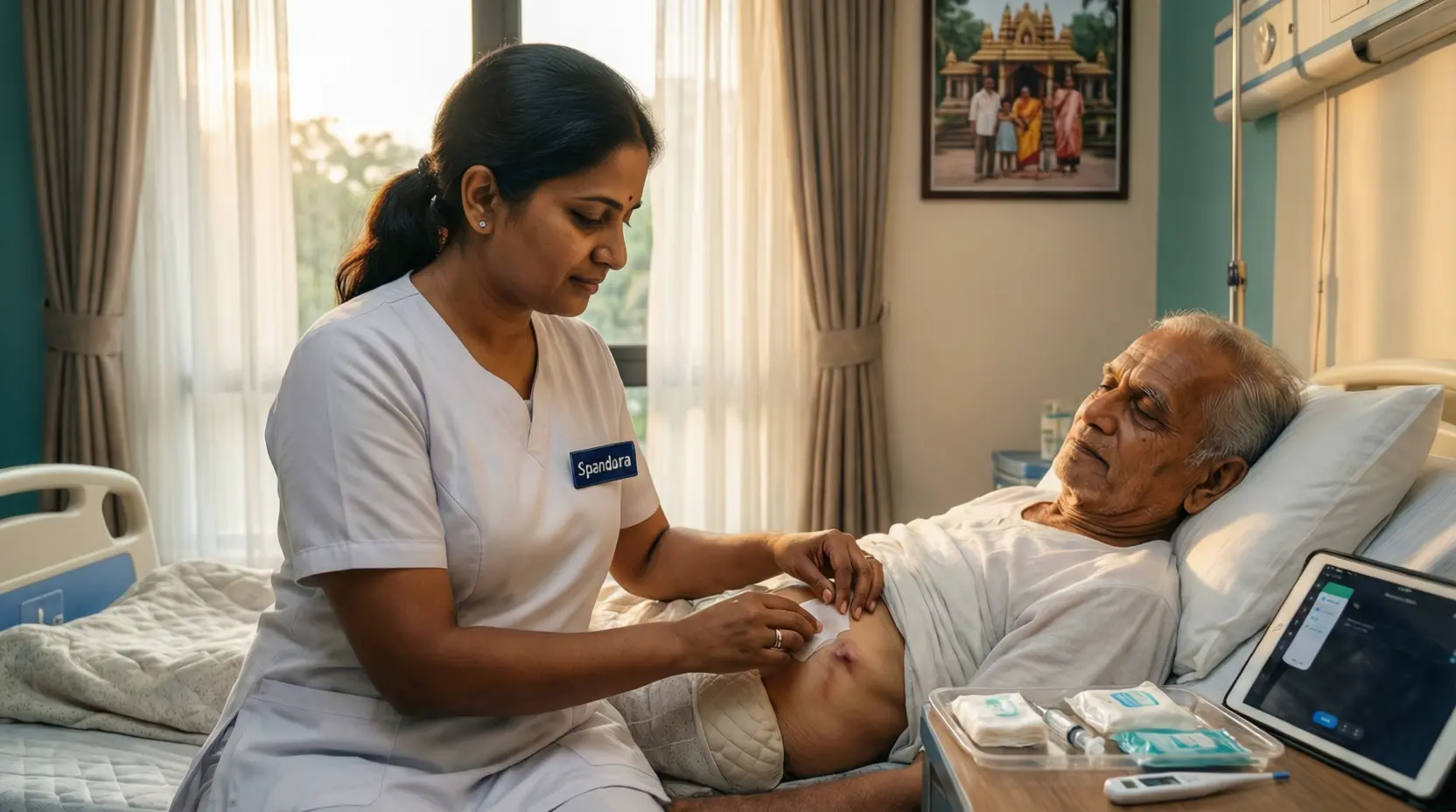
Bed sores (pressure ulcers) are painful skin injuries caused by prolonged pressure on the skin, especially in bedridden elderly patients. Early-stage bed sores can be treated at home with the right care, such as frequent repositioning, pressure-relief mattresses, proper wound care, and a healthy diet. However, more severe cases (stages 3-4) need professional intervention. Prevention is key: reposition your loved one every 2 hours, use pressure-relief mattresses, maintain skin hygiene, and ensure they get enough protein. Spandhana Public Trust offers affordable professional home nursing services in Bangalore, providing expert care like wound dressing and preventive measures to help avoid costly hospital visits and promote faster healing.

INTRODUCTION
Imagine this: Your elderly parent has been bedridden for weeks due to surgery or illness. Suddenly, you notice reddish skin patches appearing on their back, hips, or heels. These painful sores, also known as bed sores or pressure ulcers, are common among individuals who spend prolonged periods in bed, especially the elderly.
In Bangalore, as the population of elderly individuals rises, pressure ulcers have become an ongoing concern for families who are often unaware of how to treat and prevent them at home. With a growing preference for home-based care, many are looking for solutions that offer the same level of care found in hospitals, without the hefty bills. However, the risk of infection and caregiver fatigue can make this challenging for families.
This guide aims to provide comprehensive, practical advice on treating and preventing bed sores in the comfort of your home. You’ll learn how to recognize the signs of bed sores early on, how to manage them effectively, and when it’s time to seek professional help. The best part? You can avoid expensive hospital stays with the right knowledge and tools.
Why does this matter now? The aging population in Bangalore is growing rapidly. According to recent studies, over 10% of the population is above the age of 60, and the demand for home care services has surged. Advances in home nursing and affordable healthcare options now make hospital-grade care accessible right at home, providing patients with better comfort and faster recovery.
At Spandhana Public Trust, we’ve been supporting families in Bangalore for over 25 years, helping them manage everything from basic care to advanced treatments for home nursing for cardiac patients in Bangalore, bedridden patient care, and bed sore prevention and treatment.
Understanding Bed Sores: What Every Bangalore Caregiver Must Know
Bed sores, also known as pressure ulcers, are a serious concern for those who are bedridden or have limited mobility. As the elderly population in Bangalore continues to grow, understanding how to prevent and treat these painful sores becomes more important than ever. In this section, we’ll explore what bed sores are, why they occur, and how caregivers in Bangalore can address them effectively at home.
What Are Bed Sores? (Medical Definition Made Simple)
A bed sore (also called a pressure ulcer or decubitus ulcer) is a skin injury that occurs when sustained pressure cuts off blood flow to a part of the body. This damage can cause skin and tissue breakdown, often leading to painful open wounds. The most common places for bed sores to form are areas where bones are close to the skin, such as the heels, tailbone, hips, shoulder blades, and back of the head. These spots are particularly vulnerable when a person is unable to move, as the pressure from lying or sitting in one position for long periods harms the skin.
Why Do Bedridden Patients Get Bed Sores?
When a person is bedridden, pressure from their body weight pushes against the skin and tissues, especially in areas where bone is close to the surface. This pressure reduces blood flow to the skin, causing the tissue to weaken and eventually break down.
For elderly patients, certain factors increase their risk of developing bed sores:
- Thin, fragile skin: As we age, our skin becomes thinner and less resilient, making it more prone to damage.
- Reduced mobility: Conditions requiring stroke rehabilitation at home in Bangalore, surgery recovery, or neurological disorders can significantly reduce movement, leading to prolonged pressure on specific body parts and increased bed sore risk.
- Incontinence: Moisture from urine or stool can irritate the skin and make it more susceptible to breakdown.
- Poor nutrition and dehydration: A lack of essential nutrients, particularly protein, weakens the skin and hinders its ability to heal.
- Diabetes and circulation issues: Common in elderly Indian patients, these conditions can impair blood flow, increasing the risk of developing pressure ulcers.
How Common Are Bed Sores in Bangalore’s Elderly Population?
With Bangalore’s aging population on the rise, the number of bedridden patients—including those requiring professional home nursing for cancer patients in Bangalore who face extended immobility—and consequently, the prevalence of bed sores, is also increasing.According to local healthcare professionals, bed sores are a significant complication in the elderly, especially those recovering from surgery or suffering from chronic conditions like diabetes.
Research has shown that about 70-80% of bed sores can be prevented with proper home care, especially when caregivers follow key practices like regular repositioning and using pressure-relief mattresses. At Spandhana Public Trust, our 25 years of home nursing experience in Bangalore have demonstrated that families who learn proper repositioning techniques can reduce bed sore risks by over 75%.

The 4 Stages of Bed Sores Explained
Bed sores, or pressure ulcers, can range from mild irritation to severe tissue damage, depending on their stage. Understanding the four stages of bed sores is crucial for caregivers in Bangalore, especially when trying to manage bed sore treatment at home. In this section, we’ll explain each stage in detail, including visual descriptions, pain levels, treatment approaches, and when it’s time to seek professional care.
Stage 1 Bed Sores: Early Warning Signs
Stage 1 bed sores appear as non-blanching redness on the skin, meaning the red area does not turn white when you press it. The skin remains intact, but it may feel warm to the touch. It’s a superficial issue at this point, where the skin is irritated but not broken.
Pain level:
Mild discomfort is common, with the area possibly feeling tender or sore.
Treatment at home:
At this stage, the sore is fully reversible with proper care. Key actions include:
- Immediate repositioning: Regularly change the patient’s position to relieve pressure on the affected area.
- Pressure-relief cushions: Use cushions or specialized padding to prevent further damage.
- Moisturizing: Apply a gentle moisturizer to keep the skin hydrated.
Home remedies:
-
Aloe vera gel and coconut oil are popular options, but these should only be used as supplements to the primary treatment, not as replacements for proper care.
Healing timeline:
Stage 1 sores can heal within 2-3 days with diligent home care.
Can this be treated at home?
Yes! With proper repositioning and attention, stage 1 bed sores are completely reversible without the need for professional intervention.
Stage 2 Bed Sores: Partial Skin Loss
Stage 2 bed sores are characterized by open, shallow wounds that look like blisters or abrasions. The wound bed is usually red or pink, indicating that the skin’s deeper layers are affected, but the damage is still superficial.
Pain level:
Pain can be moderate to severe, depending on the size and depth of the wound.
Treatment approach:
- Professional wound dressing is required to prevent infection.
- Cleanse the area with sterile saline to remove debris and promote healing.
- Antibiotic ointments may be prescribed, but always consult a doctor first.
Advanced care:
-
Pressure-relief mattresses are crucial to minimize further damage and provide comfort.
Can stage 2 bed sores heal at home?
Yes, with trained nursing support. Home care can be effective, but professional input is necessary to manage the wound properly.
Healing timeline:
Stage 2 bed sores generally take 1-3 weeks to heal, depending on the severity and care provided.
When to call a nurse:
If the wound begins to show pus, has a foul odor, or expands, it’s time to seek professional nursing assistance.
Stage 3 Bed Sores: Deep Tissue Damage
At this stage, the wound becomes a crater-like hole, and fat tissue may be visible. While there is no muscle or bone exposed yet, the damage has gone deeper into the skin and tissues.
Infection risk:
At stage 3, the risk of infection is high due to the open wound and tissue breakdown. Medical intervention is necessary to prevent complications.
Treatment:
- Daily professional wound dressing is required to clean the wound and apply necessary treatments.
- Surgical debridement (removal of dead tissue) may be necessary for proper healing.
- Antibiotics will likely be prescribed to prevent infection.
Can this be treated at home?
Stage 3 bed sores require dedicated professional care similar to complex procedures like tracheostomy care at home in Bangalore—not safe for family caregivers alone to manage without trained nursing support.
Healing timeline:
Healing can take anywhere from 1-4 months, depending on the wound’s size and depth.
Stage 4 Bed Sores: Severe, Life-Threatening
Stage 4 bed sores are the most severe form. The wound is deep, with exposed muscle, bone, or tendons. This is a serious condition that can cause permanent damage if not treated immediately.
Complications:
- Sepsis (a life-threatening infection) and osteomyelitis (bone infection) are serious risks.
- Hospitalization is often required, and surgery may be needed to remove dead tissue or treat infection.
Treatment:
- Hospital care is required initially, with home nursing continuing after discharge for proper wound care and rehabilitation.
- Surgery is often necessary for deep wounds.
Healing timeline:
Stage 4 bed sores can take 3-6 months to heal, and recovery often involves multiple treatments and surgeries.
How to Treat Bed Sores at Home: Step-by-Step Care Protocol
Bed sores can be painful and challenging to manage, but with the right knowledge and a dedicated care routine, you can treat them at home effectively—especially in the early stages. This step-by-step guide will walk you through how to manage bed sores at home, ensuring your loved one gets the care they need without costly hospital visits. Whether you’re dealing with stage 1 or stage 2 bed sores, these steps will help you provide the best care possible.
Immediate Actions When You Spot a Bed Sore
The moment you notice a bed sore, taking immediate action can prevent it from worsening. Here’s what you should do:
- Stop Further Pressure Damage:
The first thing to do is reposition the patient to relieve pressure from the affected area. Aim to reposition them every 2 hours. If the bed sore is on the tailbone, try tilting the patient at a 30-degree angle, ensuring their weight is distributed to avoid added pressure. - Clean the Area Gently:
Use a sterile saline solution (not hydrogen peroxide) to clean the area. Hydrogen peroxide can damage healthy tissue, slowing healing. Saline solution, made by mixing 1 teaspoon of salt in 500ml of boiled, cooled water, is gentle and effective in cleansing the wound. - Assess the Stage:
Knowing the stage of the bed sore is crucial for determining the right course of action. Refer to the guide above to identify whether the sore is in stage 1, 2, 3, or 4. - Contact a Healthcare Professional:
If the sore appears to be progressing to a more severe stage, or if you’re unsure about its treatment, contact a healthcare professional for advice. Timely medical guidance can prevent complications.
Daily Wound Care Routine for Stage 1-2 Bed Sores
Once you’ve cleaned and repositioned the patient, maintaining a consistent daily wound care routine is essential. Here’s how to do it:
Morning Routine:
- Cleanse gently using the saline solution.
- Pat dry with a soft towel—never rub, as it can irritate the skin.
- Apply prescribed ointment or barrier cream to protect the skin and promote healing.
- Cover with sterile non-adhesive dressing to prevent infection and keep the area dry.
Evening Routine:
-
Change the dressing: Remove the old dressing carefully and apply a new one.
-
Wound inspection checklist:
- Size: Has it grown larger?
- Color: Is the wound bed red or pink (healthy) or yellow (sign of infection)?
- Drainage: Is there excess fluid or pus?
- Odor: Is there a foul smell?
3. Photographic documentation: Track the healing progress by taking daily photos of the wound.
How Often Should Bed Sore Dressing Be Changed?
The frequency of changing the dressing depends on the stage of the bed sore:
- 1: No dressing is needed. Simply apply a protective barrier cream to the skin.
- 2: Change the dressing every 12-24 hours or as soon as it becomes wet or soiled.
- 3-4: These stages require more intensive care, with dressing changes every 8-12 hours, usually by a trained nurse.
Home Remedies That Actually Work (Safe for Stage 1 Only)
While professional care is crucial for stages 2-4, there are a few home remedies that can help in stage 1. Keep in mind, these should be used only when the skin is intact, and never on open wounds.
- Aloe vera gel: Fresh aloe vera gel has anti-inflammatory properties that can soothe the skin and reduce irritation.
- Coconut oil massage: Massaging coconut oil around pressure points can help improve skin elasticity and reduce friction.
- Honey application: Medical-grade honey has natural antibacterial properties that can help prevent infection.
What NOT to use:
- Turmeric on open wounds: While turmeric is a popular remedy, it can cause infection if applied to broken skin.
- Undiluted essential oils: These can irritate the skin and hinder the healing process.
- Ice packs: Avoid applying ice directly to the sore as it can cause tissue damage.
Expert Warning Box:
⚠️ Important: Home remedies are ONLY safe for Stage 1 (intact skin). Never apply anything to open wounds without medical guidance. Improper treatment can lead to serious infections. Always consult a healthcare professional before using any home remedy for bed sores.
When Professional Wound Dressing Becomes Necessary
While at-home care is effective for stage 1 and 2 sores, certain signs indicate that it’s time to call in a trained nurse:
- The wound is not healing after 3-5 days of treatment.
- Increasing pain, or redness spreading around the sore.
- Yellow/green discharge or foul smell coming from the wound.
- Fever or the patient becomes unwell.
- Progression to stage 2 or beyond.
In these cases, Spandhana’s trained nurses are available to assess the wound and provide the necessary care to ensure proper healing.
Preventing Bed Sores in Bedridden Elderly: The Complete Prevention Protocol
Bed sores, or pressure ulcers, are a major concern for bedridden elderly individuals, especially in a city like Bangalore, where the growing aging population requires more home-based care. Preventing bed sores is not only about reducing discomfort, but also about enhancing the quality of life for elderly patients. Here’s a comprehensive protocol to prevent pressure sores, focusing on practical solutions that can be applied at home.
The 2-Hour Repositioning Rule (Why It’s Non-Negotiable)
One of the most crucial aspects of preventing bed sores is regular repositioning. When a bedridden patient remains in one position for extended periods, pressure from their body weight cuts off blood flow to certain areas, leading to skin damage. This is why the 2-hour repositioning rule is essential.
Science behind pressure relief:
Repositioning helps restore blood flow to the affected areas, preventing the skin from breaking down. Every 2 hours, the pressure on the skin needs to be relieved to ensure the skin’s health and prevent ulcer formation.
Proper repositioning angles:
-
30-degree tilt: It’s essential to tilt the patient at a 30-degree angle instead of leaving them flat on their back or side. This position reduces the pressure on the tailbone and shoulder blades, which are common pressure ulcer sites.
Visual guide suggestion:
A positioning diagram for caregivers can help clarify how to tilt the patient effectively and safely.
Bangalore-specific tip:
In Bangalore, where many caregivers work long shifts, setting mobile alarms can help remind caregivers to reposition patients during both day and night shifts.
How home nursing attendants maintain 24/7 repositioning schedules:
Spandhana’s home nursing attendants are trained to follow a strict repositioning schedule, ensuring that bedridden patients are moved regularly to avoid bed sores.
Best Anti-Decubitus Mattresses for Home Use in Bangalore
Using the right mattress is essential in pressure sore prevention. Here’s an overview of some of the best options available in Bangalore:
- Air mattresses with alternating pressure:
These mattresses use air-filled cells that inflate and deflate alternately, relieving pressure on the skin. They are highly effective in preventing bed sores and are widely available for purchase or rental in Bangalore. Prices vary, but typically range between ₹10,000-₹25,000. - Foam overlay mattresses:
For a more budget-friendly option, foam overlays can be placed on top of a regular mattress. They provide added cushioning and are available in Bangalore for approximately ₹3,000-₹7,000. - Gel cushions for wheelchairs:
These cushions prevent pressure sores from developing in patients who are confined to wheelchairs. They are a great option to protect against sitting pressure sores and cost between ₹2,500-₹5,000 in Bangalore.
Cost comparison:
In Bangalore, you can either purchase or rent these products. Renting is a more affordable option, especially for families on a budget. Spandhana can help you find the best mattress options for your needs and budget, providing recommendations for both rental and purchase.
Skin Care Routine for Bedridden Patients
A well-maintained skin care routine plays a key role in preventing bed sores. Here’s a simple yet effective protocol:
Daily hygiene protocol:
- Use gentle pH-balanced cleansers to clean the skin. Harsh soaps can damage the skin’s protective barrier.
- Ensure thorough drying, especially in skin folds, as moisture can contribute to skin breakdown.
- For incontinent patients, use moisture barrier creams to protect the skin from prolonged moisture exposure.
Breathable cotton clothing and bedding:
Cotton fabrics are breathable and gentle on the skin. Avoid synthetic fabrics that may irritate the skin or trap heat and moisture.
Skin inspection checklist:
- Size and condition: Check for redness or irritation, especially around pressure points.
- Color: Healthy skin should remain pink or light brown, not red or purple.
- Moisture: Ensure the skin is dry and clean.
- Signs of infection: Look for swelling, warmth, or pus.
Bangalore climate consideration:
Bangalore’s humid weather can contribute to excessive moisture and sweating, which increases the risk of skin breakdown. Use breathable fabrics, and make sure to dry the skin thoroughly after cleaning to prevent moisture buildup.
Nutrition for Skin Health and Wound Prevention
Proper nutrition is essential for maintaining skin health and promoting healing. Here’s what to include in your loved one’s diet:
High-protein diet:
-
Include eggs, dal (lentils), chicken, and paneer (cottage cheese)—all rich in protein that helps in tissue repair and strengthening the skin.
Hydration targets:
Ensure the patient drinks 6-8 glasses of water a day. Dehydration can make the skin dry and more prone to damage.
Vitamin C & Zinc:
These nutrients support skin integrity. Include foods like citrus fruits, leafy greens, and nuts in their diet to promote healing and prevent bed sores.
What foods help heal bed sores faster:
During active bed sore treatment, high-protein foods like chicken and paneer, as well as foods rich in vitamin C (such as oranges and tomatoes) can accelerate healing.
Role of Spandhana’s nutrition awareness counseling service:
Spandhana offers nutrition counseling services, ensuring patients receive the best dietary support for skin health and wound healing.
Professional Home Nursing for Bed Sore Care in Bangalore
Bed sores, also known as pressure ulcers, are a common concern for bedridden patients, especially among the elderly. Proper treatment and prevention are crucial in reducing pain and complications. In Bangalore, families often turn to professional home nursing to ensure their loved ones receive expert care without the need for expensive hospital stays. This section covers when professional nursing is necessary and what services are provided to ensure effective bed sore care at home.
When to Call Professional Home Nurses (Decision Framework)
If you’re new to hiring a home nurse in Bangalore, our comprehensive guide walks you through credentials to verify, questions to ask, and what to expect during the first consultation—ensuring you make an informed decision for your loved one’s bed sore care needs.
You need professional nursing if:
- Bed sore has progressed to Stage 2 or beyond: Once a bed sore reaches stage 2 (with broken skin), it requires specialized care to prevent further complications and infection.
- You’re uncomfortable with wound care procedures: If the process of cleaning or dressing the wound feels overwhelming or if you are unsure of the proper techniques, a trained nurse can help.
- Patient has diabetes or other complicating conditions: Chronic conditions like diabetes can slow wound healing, increasing the risk of infections and complications, which necessitates professional monitoring.
- You need 24/7 monitoring and repositioning support: If the patient is in critical condition, or if their pressure sores require constant monitoring and repositioning, professional home care may be essential.
- Multiple pressure points showing skin breakdown: When more than one area is affected, professional nurses can assist in managing multiple bed sores simultaneously.
You can manage at home if:
- Only Stage 1 (red, intact skin): Stage 1 bed sores can often be treated effectively at home with proper care and repositioning.
- You’ve received proper training: If you have been trained in wound care procedures and can follow the protocols correctly, home care can be sufficient for early-stage sores.
- Patient has good healing capacity: A healthy patient with strong immune function and good nutrition may be able to recover from early-stage bed sores at home.
- You can maintain strict 2-hour repositioning: If you’re committed to following the 2-hour repositioning rule without fail, you can manage bed sores in the early stages at home.
What Spandhana’s Bed Sore Care Nurses Provide
Our Expertise (Since 2001):
At Spandhana Public Trust, we bring over 25 years of combined experience in wound care nursing. Our nurses are trained to handle all stages of bed sore management, ensuring that every procedure follows medical protocols. Here’s what you can expect from our services:
- Sterile dressing techniques: Our nurses use proper, sterile techniques to clean and dress wounds, preventing infection and promoting healing.
- Daily wound assessment and monitoring: We provide daily assessments to track the progression of the bed sore and adjust care as needed.
- Pressure-relief positioning training: We educate family members on proper repositioning techniques to reduce pressure and prevent new sores from forming.
- Nutrition and hydration guidance: Our nurses offer advice on diet and hydration, which are essential for skin health and wound healing.
- Complication detection: We are trained to spot signs of infection, worsening conditions, or other complications that require medical intervention.
Service Flexibility:
- Service Flexibility: Visit-based care (once or twice daily wound dressing), 8-hour/12-hour attendant shifts, or 24/7 live-in nursing care in Bangalore—learn which option suits your family’s needs and budget for critical bed sore cases.
- 8-hour/12-hour attendant shifts: For patients who require longer care during the day or night.
- 24/7 live-in nursing care: For critical cases, we offer live-in care to monitor and manage patients around the clock.
- Bedridden patient care packages: These packages are comprehensive and include bed sore prevention along with general patient care.
Why Choose Spandhana for Bed Sore Treatment at Home
Affordability:
“Our prices are 20-30% lower than market rates and are adjusted based on the patient’s condition. We believe that quality elder care should be accessible to all Bangalore families.” We provide affordable home care options tailored to each patient’s needs, ensuring cost-effective solutions without compromising on care.
Experience:
“Since 2001, we’ve helped thousands of senior citizens manage bed sores at home. Our expert nursing care ensures that families avoid costly hospital stays while promoting faster and safer healing.”
Comprehensive Approach:
“At Spandhana, we go beyond wound care. Our nurses provide holistic bedridden patient care, including mobility assistance, hygiene support, nutrition monitoring, and family counseling. We’re committed to the well-being of both the patient and their caregivers.”
Cost of Bed Sore Treatment at Home in Bangalore (2026 Pricing Guide)
Managing bed sores at home can be a cost-effective solution for many families, especially when compared to the high costs of hospitalization. Whether you’re treating a stage 1 sore or managing more severe wounds, understanding the costs of home care and the benefits of professional nursing can help you make informed decisions. In this section, we’ll break down the pricing for bed sore treatment at home in Bangalore, including nursing services and equipment rental, so you can plan ahead.
Breakdown of Home Care Costs vs Hospital Treatment
Hospital Treatment Costs (Bangalore average): Hospital stays for bed sore treatment can be very expensive, especially as the severity of the sores increases. Here’s an estimate of what you might expect for hospital-based care:
- Stage 2 hospitalization: ₹15,000 to ₹30,000 for a 3-5 day stay.
- Stage 3-4 surgery and hospitalization: ₹50,000 to ₹2,00,000+ for surgical interventions, intensive care, and extended hospital stays.
- Daily hospital room charges: ₹3,000 to ₹10,000 per day, depending on the room and facility.
Home Care Costs (More Affordable): When it comes to home care, the costs are significantly lower, making it a more affordable option. Here’s a breakdown of typical home nursing costs for bed sore care:
| Service | Cost Range | Frequency |
|---|---|---|
| Single wound dressing visit | ₹300-600 | Once or twice daily |
| 8-hour nursing attendant | ₹800-1,500 | Daily shift |
| 12-hour nursing care | ₹1,200-2,000 | Day/night shift |
| 24/7 live-in nurse | ₹20,000-35,000 | Monthly package |
| Anti-decubitus mattress rental | ₹2,000-5,000 | Monthly |
Home care costs are far more affordable than hospital treatment, especially when you can control the frequency and scope of services required.
Spandhana’s Transparent Pricing Philosophy
At Spandhana Public Trust, we pride ourselves on offering affordable care without compromising on quality. Here’s how we keep things transparent and fair:
- Patient condition-based pricing: We assess the individual needs of each patient and create care plans that are both affordable and suitable for their specific condition.
- No hidden charges: What we quote is what you pay. There are no surprise fees added on after the fact.
- Flexible packages: You only pay for the services you need. Whether it’s a one-time dressing change or 24/7 live-in care, we provide tailored care options that fit your budget.
- Free initial consultation: We offer a free home visit to assess the patient’s needs and discuss the care plan. This ensures that we only recommend services that are necessary for your loved one’s well-being.
Insurance and Financial Assistance
Many health insurance policies cover home nursing for medical conditions, including bed sore treatment. If you’re worried about the cost of home care, here are some steps to take:
- How to claim: To claim home nursing services, check your insurance policy for home healthcare coverage. You may need a prescription or recommendation from a doctor.
- Spandhana’s support: We assist families with documentation and help navigate the claims process, ensuring you receive any financial assistance your insurance may offer.
FAQs About Bed Sore Treatment at Home in Bangalore
1: How long does it take for bed sores to heal with home care?
Healing timelines vary by stage:
- Stage 1: 2-7 days
- Stage 2: 1-3 weeks
- Stage 3: 1-4 months
- Stage 4: 3-6+ months
Several factors affect the healing process, including patient age, nutrition, diabetes control, and consistency of pressure relief. With professional home nursing, healing can be 30-40% faster than if managed solely by family caregivers, thanks to expert wound management and attention to detail.
2: Can I treat bed sores at home without a nurse?
For Stage 1 bed sores (intact skin with redness), trained family caregivers can manage treatment at home. This includes regular repositioning, using pressure-relief equipment, and maintaining good skin care. However, Stage 2 and beyond require professional nursing care. Without medical guidance, treating advanced sores can lead to serious complications, such as infection or sepsis, which are preventable with proper wound care and monitoring.
3: What is the best mattress to prevent bed sores in elderly patients?
To prevent bed sores, the best option is an alternating pressure air mattress. These mattresses redistribute pressure automatically every 5-10 minutes, ensuring continuous blood flow to vulnerable areas. For families on a budget, high-density foam overlays (at least 3 inches thick) offer good protection at a lower cost.
Spandhana provides guidance on where to purchase or rent medical-grade mattresses in Bangalore. Rental costs start at ₹2,000-3,000 monthly, offering an affordable solution for pressure sore prevention.
4: Are home remedies like turmeric safe for bed sores?
Home remedies are only safe for Stage 1 bed sores with intact skin. Aloe vera, coconut oil, and medical-grade honey can help support healing when the skin is not broken. However, never apply turmeric, essential oils, or any other home substances to open wounds (Stage 2 and beyond). These can cause infections, delayed healing, or allergic reactions. Always consult a healthcare professional before applying anything to broken skin.
5: How much do home nursing services cost for bed sore care in Bangalore?
Home nursing costs vary depending on the level of care needed:
- Single wound dressing visits: ₹300-600 per visit (once or twice daily)
- 8-hour attendant care: ₹800-1,500 per day
- 12-hour nursing care: ₹1,200-2,000 per day
- 24/7 live-in care: ₹20,000-35,000 per month
Spandhana’s pricing is based on the patient’s condition and is typically 20-30% lower than market rates. We also offer a free home assessment to create customized, affordable care plans tailored to your specific needs.
6: When should I call a doctor or nurse for a bed sore?
Contact a healthcare professional immediately if you notice:
- Progression of the wound despite proper home care (3+ days)
- Foul-smelling discharge or pus
- Fever or chills in the patient
- Increasing redness spreading beyond the wound edges
- Black or darkened tissue (necrosis)
- Worsening pain or discomfort
- For patients with complicating conditions like diabetes or those requiring heart failure home nursing in Bangalore, bed sore management becomes even more critical due to reduced circulation and healing capacity.
These signs indicate that the bed sore is infected or the tissue is dying, requiring urgent medical intervention.
Conclusion
Key Takeaway Summary:
- Bed sores are preventable with proper repositioning, pressure-relief equipment, and daily skin care.
- Early-stage bed sores (Stage 1-2) can heal effectively at home with professional nursing support.
- Professional wound care results in faster healing and prevents costly hospitalizations.
- Bangalore families can access affordable, expert home nursing through services like Spandhana.
- Prevention is always easier and more cost-effective than treatment.
Benefit Reinforcement:
Managing bed sore treatment at home doesn’t mean managing it alone. With the right knowledge, equipment, and professional nursing support, your bedridden loved one can heal safely and comfortably in familiar surroundings—without the stress and expense of hospitalization. By leveraging affordable home care services, you can ensure that your loved ones receive the best care without compromising on quality.